
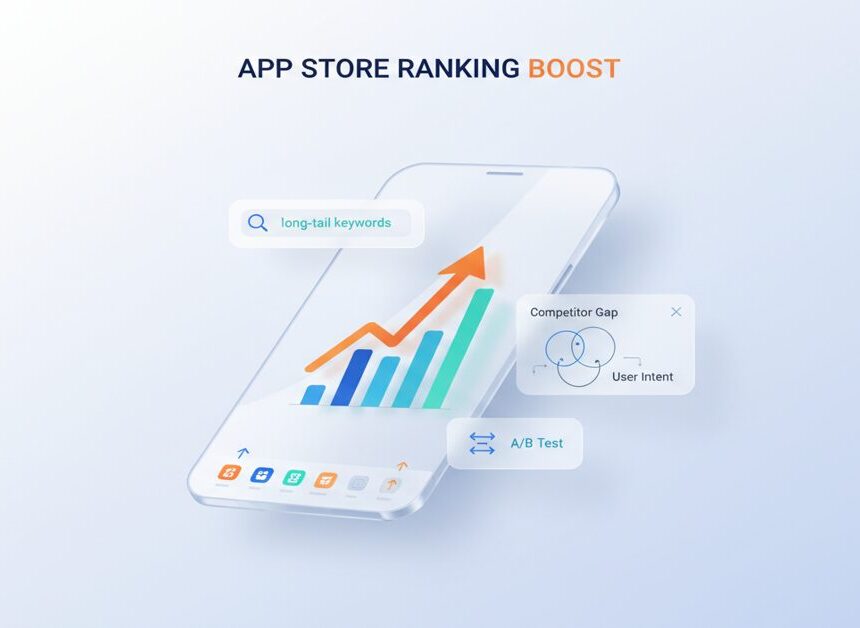
Leveraging data-driven app store optimization keywords through research, competitor gap analysis, and strategic long-tail keyword layering can significantly enhance your app’s visibility in crowded marketplaces. These advanced tactics not only boost your app’s ranking but also improve conversion rates by ensuring your metadata resonates with user intent. For mobile app growth managers and ASO professionals, incorporating iterative A/B testing on titles and subtitles sharpens keyword effectiveness, directly influencing install volume and quality.
Adopting these refined approaches provides a clear roadmap to scaling organic installs through smarter app store search optimization. This guide offers practical insights to elevate your app’s presence, enabling you to assess agency partnerships critically and sustain growth in organic discovery.
What Are App Store Optimization Keywords?
App store optimization keywords are the targeted words and phrases embedded within your app’s metadata—such as the title, subtitle, and description—to improve its ranking in app store search results. The objective is to align your listing with the actual search queries of potential users, thereby increasing organic visibility and driving installs.
More than a simple keyword list, this strategy forms the backbone of mobile app growth. Effective use of app store optimization keywords influences your app’s position within the store’s search algorithm, much like SEO does for websites. By crafting a nuanced keyword strategy, you create a natural discovery path that reduces dependence on paid acquisition.
Why Advanced App Store Optimization Keywords Matter
Mastering advanced app store optimization keywords goes beyond increasing visibility—it directly impacts business growth and return on investment. For app marketers, a well-executed keyword strategy connects you with high-intent users actively seeking solutions your app provides. This targeted approach maximizes organic installs, which typically deliver higher lifetime value and engagement than paid channels.
How Advanced App Store Optimization Works
Advanced app store optimization keywords operate by pinpointing search terms that closely match user intent and app store ranking factors. The process begins with comprehensive keyword research using specialized ASO tools to uncover both high-volume and niche long-tail keywords that competitors may overlook. These keywords are then carefully integrated across your app metadata—including titles, subtitles, and descriptions—to balance relevance with readability and conversion potential.
Competitor keyword gap analysis reveals untapped opportunities by identifying terms your app isn’t targeting but that drive installs for similar apps. This intelligence allows you to refine your keyword strategy by filling those gaps with targeted phrases that enhance visibility. Iterative A/B testing is essential here, enabling you to experiment with different title and subtitle keyword combinations to discover the optimal mix that improves both rankings and conversion rates.
By continuously monitoring keyword performance and updating your metadata accordingly, you establish a dynamic optimization cycle. This approach not only drives organic installs but also adapts to shifts in app store algorithms and competitive dynamics, ensuring sustained growth in search optimization.
Key Components of a Winning Strategy
Building a resilient app store optimization keywords strategy requires focus on several critical elements. These components work together to ensure your keyword research is thorough, actionable, and aligned with app store ranking criteria. Moving beyond simple keyword collection, this sophisticated approach integrates specialized tools, competitive insights, and structured testing to continuously enhance your app’s discoverability. Each element addresses specific challenges—from uncovering hidden keyword opportunities to validating their impact. Mastering these components transforms raw data into a strategic asset that drives meaningful improvements in app store search performance and organic install growth. The following elements are non-negotiable for a modern, effective ASO keyword framework.
- Specialized ASO Keyword Research Tools: Employ platforms tailored for app stores to analyze search volume, difficulty, and discover related long-tail keywords that generic tools often miss.
- Competitor Keyword Gap Analysis: Identify keywords driving installs for competitors but missing from your metadata, revealing direct opportunities to improve your rankings.
- Strategic Metadata Keyword Layering: Distribute primary and secondary keywords thoughtfully across titles, subtitles, and descriptions to maximize relevance while maintaining natural, user-friendly copy.
- Iterative A/B Testing Frameworks: Conduct controlled experiments on title and subtitle variations, using install rate data to guide optimization decisions.
- Ongoing Keyword Performance Tracking: Regularly monitor keyword rankings and organic install trends to make agile adjustments in response to algorithm changes or competitor activity.
Step-by-Step Implementation Guide
Understanding advanced app store optimization keywords conceptually is important, but execution is where results materialize. This step-by-step workflow translates theory into practice, enabling you to elevate your app’s discoverability through a systematic, data-driven process. The aim is to build a repeatable cycle that scales with your app’s growth and adapts to evolving market conditions. Each step builds on the previous, creating a continuous optimization loop that addresses common challenges such as ineffective competitor analysis and uncertain testing outcomes. This methodology guides you from initial research to measurable install growth, ensuring your ASO efforts yield tangible returns. Follow these steps to implement a robust keyword strategy.
1. Conduct Deep-Dive Keyword Research with Specialized Tools
Start by moving beyond generic keyword tools. Use dedicated ASO platforms to evaluate search volume, difficulty, and user intent within your app’s category. Identify a balanced mix of high-volume head terms and specific long-tail keywords that reflect authentic user queries. Seek semantically related phrases and question-based keywords your competitors may overlook, as these often present lower competition and higher conversion potential.
2. Perform a Comprehensive Competitor Gap Analysis
Examine top-ranking apps for your target keywords. Utilize ASO tools to reverse-engineer their keyword strategies and identify terms driving their visibility. Map these keywords against your own list to highlight gaps—terms they rank for that you currently do not. Prioritize these gaps based on search volume and relevance to your app’s core features.
3. Strategically Layer Keywords Across Metadata
With your refined keyword list, allocate keywords across metadata fields according to priority and character limits. Place the most critical app store optimization keywords in the title and subtitle, where they carry the most weight. Use the description and keyword bank (iOS) to incorporate secondary and long-tail terms. Ensure the copy remains natural and user-friendly; avoid keyword stuffing, which can deter users and harm conversion.
4. Implement Iterative A/B Testing on Titles & Subtitles
Don’t settle on your initial keyword combinations. Leverage your platform’s A/B testing features (such as Google Play’s Store Listing Experiments) to test variations in titles and subtitles. Modify one element at a time—like keyword order or inclusion of benefit-driven phrases. Continue testing until you reach statistical significance, using install rates and conversion metrics as your benchmarks.
5. Monitor, Track, and Refine Performance
Keyword optimization is an ongoing process. Regularly track your rankings for target keywords and monitor organic install trends. Establish routine reporting to assess performance. Be ready to iterate: if certain keywords underperform or rankings decline, revisit your research to identify replacements. This agile approach helps you respond effectively to algorithm updates and competitive shifts.
Best Practices for Sustained Growth
Achieving sustained growth in organic installs requires more than identifying relevant app store optimization keywords. It demands a holistic, data-driven approach that embraces continuous learning and adaptation. These best practices provide a strategic framework to maximize your app’s visibility and conversion potential within a competitive app store environment. First, always prioritize user intent over search volume alone. Second, integrate keywords naturally to maintain a high-quality, readable listing. Finally, commit to a culture of testing and iteration, using data to validate every change you make to your metadata.
Common Mistakes to Avoid
Even with a solid grasp of advanced app store optimization keywords, common pitfalls can undermine your efforts. These often arise from outdated tactics or misinterpretation of how modern app store algorithms prioritize user experience and relevance. Avoiding these errors is essential to ensure your keyword strategy translates into improved rankings and organic installs rather than wasted effort. The following mistakes are particularly detrimental to ASO success.
- Overstuffing Primary Keywords: Repeating main keywords unnaturally across metadata can trigger spam filters, reduce readability, and lower conversion rates by making your listing feel robotic. Instead, prioritize natural language and semantic variation, using synonyms and related terms to reinforce relevance without repetition.
- Neglecting Long-Tail Variations: Focusing only on high-volume head terms overlooks valuable opportunities in specific, intent-rich long-tail queries. Incorporate question-based phrases and descriptive long-tail keywords into your description and keyword bank to capture qualified users further along the funnel.
- Static Keyword Sets: Treating your keyword list as a fixed asset ignores evolving user behavior and competitive dynamics, leading to gradual visibility decline. Implement ongoing performance tracking to refresh and test new keyword opportunities regularly.
- Copying Competitors Blindly: Directly replicating competitor keywords without assessing intent or relevance can attract the wrong audience, harming retention and signaling poor relevance to the app store. Always validate that competitor keywords align with your app’s core functionality and user intent before adoption.
- Isolating Keywords from Conversion: Optimizing solely for rankings without considering keyword impact on conversion misses the mark. Keywords that drive impressions but not installs are ineffective. Use A/B testing to evaluate how different title and subtitle keyword combinations affect both visibility and install rates.
Advanced Insights and Future Trends
The app store optimization landscape continues to evolve, requiring nuanced strategies that align with shifting algorithms and user behaviors. Recent trends show that app stores increasingly reward listings combining semantic relevance with strong user engagement signals, emphasizing keyword context over sheer density. This elevates the importance of thoughtfully integrating long-tail keywords across metadata rather than relying exclusively on high-volume terms.
Advanced ASO practitioners are leveraging AI-powered keyword research tools to uncover hidden opportunities and conduct more precise competitor gap analyses. These technologies help identify underserved niches and emerging search patterns, driving more qualified organic installs. Iterative A/B testing remains critical, offering actionable insights into how subtle metadata adjustments influence conversion and visibility.
Looking forward, strategic metadata keyword layering—distributing keywords to maximize algorithm recognition without compromising readability—will become standard practice. Marketers who combine data-driven experimentation with deep ASO expertise will be best positioned to scale organic discovery sustainably in increasingly competitive app marketplaces.
Metrics and Measuring Success
Implementing advanced app store optimization keywords is just the first step; measuring their impact is crucial. Without clear metrics, it’s impossible to determine which strategies drive organic installs and improve rankings. A data-driven approach moves beyond guesswork, providing insights into keyword performance and overall app visibility. This continuous feedback loop is vital for refining your ASO strategy, adapting to algorithm changes, and ensuring your efforts yield measurable growth. To effectively gauge success, you must track the following key performance indicators (KPIs).
- Keyword Rankings: Track your app’s position for target keywords across Google Play and Apple App Store. Aim for consistent top 10 placements on high-volume, relevant terms, as this correlates strongly with visibility.
- Organic Impressions & Store Listing Views: Monitor how often your app appears in search results (impressions) and the number of users clicking through to your listing (views). A steady increase after keyword updates signals improved discovery.
- Organic Installs: The ultimate success metric—downloads driven directly by app store search. Set clear month-over-month growth targets (e.g., 10–15%) tied to your ASO efforts.
Frequently Asked Questions (FAQs)
What are app store optimization keywords?
App store optimization keywords are the specific terms and phrases users enter into app store search bars to find apps. They serve as the critical link between user intent and your app’s visibility. Identifying and targeting these keywords effectively helps app stores understand your app’s relevance and improves its discoverability.
Why are app store optimization keywords important?
These keywords drive organic discovery and installs. Ranking well for relevant app store optimization keywords ensures your app is visible to users actively searching for the solutions you offer. This direct alignment with user intent significantly boosts organic downloads and enhances overall app store presence, supporting sustainable growth.
How do you implement app store optimization keywords?
Implementation involves strategically placing keywords across your app’s metadata. This includes integrating them naturally into the title, subtitle, description, and keyword bank (where applicable), ensuring the copy remains user-friendly and conversion-focused.
How often should I update my app store optimization keywords?
You should review and potentially update your keywords regularly, at least quarterly. However, more frequent monitoring is advisable to respond to significant algorithm updates, new competitor entries, or shifts in user search behavior. Use performance data as your guide for when to make changes.
Conclusion
Mastering app store optimization keywords is essential for app marketers seeking to increase organic installs and improve rankings in competitive marketplaces. Advanced strategies like competitor gap analysis, long-tail keyword layering, and iterative A/B testing enable a precise, dynamic approach to keyword selection and metadata optimization. These methods not only enhance visibility but also improve conversion by aligning keyword intent with user expectations.
Success in app store search optimization requires continuous refinement of your keyword strategy based on data-driven insights and evolving algorithms. By integrating robust tracking and performance analysis, you can identify which keywords truly drive growth and adapt swiftly to market changes. Ultimately, a sophisticated, well-executed app store keyword strategy empowers mobile app growth managers to scale organic discovery effectively and sustainably.